Description
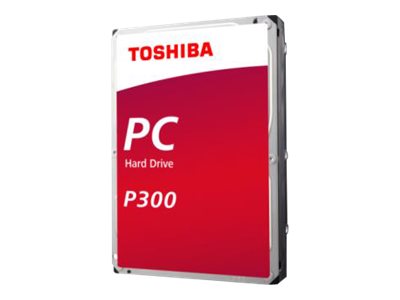
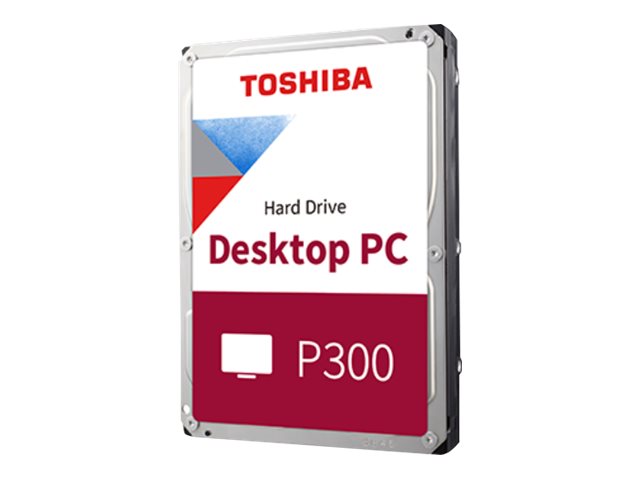
Elara Toshiba P300 Desktop PC
Overview
Range/Series Overview
IMPORTANT: This Range/Series overview section describes the range of which this product belongs. Features of different versions might be mentioned and may not apply to the specific product on this page. Please view Specs for specification of product.The Toshiba P300 Desktop PC hard drive combines high capacity storage, energy efficiency, and advanced technologies to deliver a reliable and eco-friendly data storage solution. With a generous 2 TB capacity, it meets the substantial storage requirements of desktop users. The drive operates at a fast 7200 rpm spindle speed, supported by a Serial ATA-600 interface, facilitating high-speed data transfers up to 600 MBps. Advanced features such as Advanced Format technology, shingled magnetic recording (SMR), and Native Command Queuing (NCQ) enhance data reliability, increase storage capacity, and improve efficiency. Additionally, the drive is designed to minimize noise with a sound emission of only 25 dBA, making it a quiet addition to any desktop setup. Environmentally conscious users will appreciate the drive's compliance with RoHS standards and its low power consumption modes, which reduce energy use and contribute to a greener planet. Whether for intensive data processing or media storage, the Toshiba P300 Desktop PC hard drive offers a blend of performance, durability, and eco-friendliness.Features Summary
- Enhanced durabilityEquipped with a shock sensor and designed to withstand up to 600,000 load/unload cycles, this hard drive is built for longevity, ensuring your data is protected through extensive use and environmental challenges.
- Efficient power consumptionWith a low power idle mode consuming only 2.92 watts and a read/write mode at 5.21 watts, this hard drive optimizes energy use, reducing your carbon footprint and utility bills.
- Advanced storage technologyFeaturing Advanced Format technology, shingled magnetic recording (SMR), and Native Command Queuing (NCQ), this hard drive offers improved data reliability, increased storage capacity, and enhanced efficiency for handling multiple data requests.